
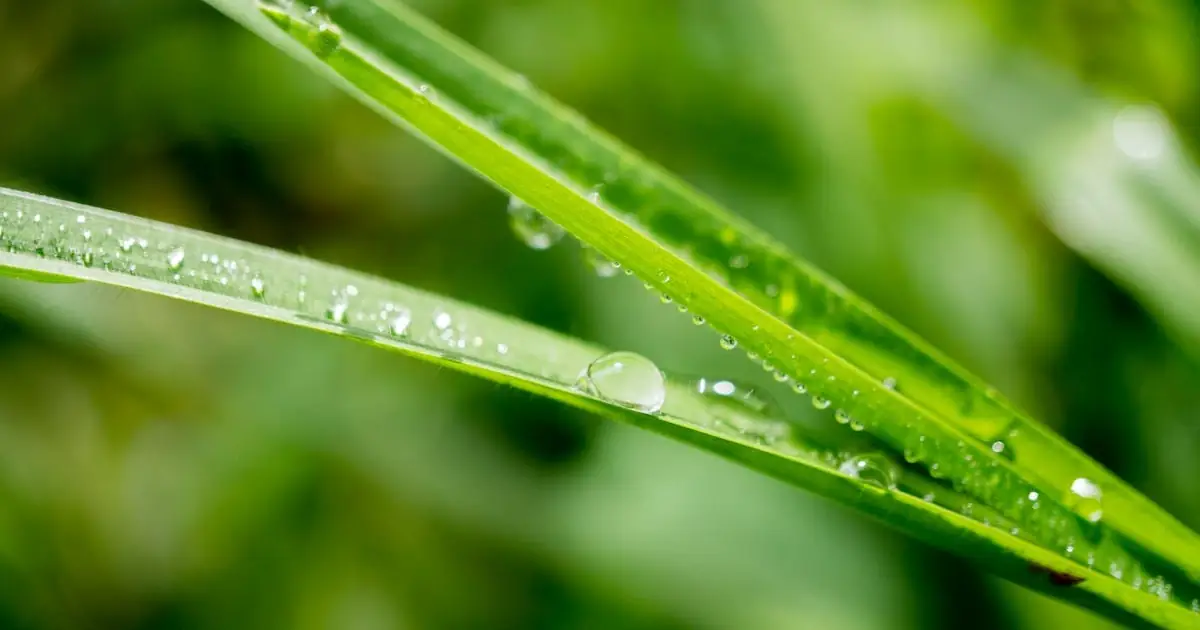
Lemon balm and lemongrass are not the same plant. Although both have a fresh citrus aroma and are popular in herbal teas and natural wellness, they differ in appearance, botanical family, flavor, active compounds, and traditional uses. Lemon balm is best known for its calming properties and mild lemon-mint flavor, while lemongrass is valued for its bright citrus taste, digestive benefits, and widespread use in Asian cuisine.
Because their names are similar, many people assume they are interchangeable. In reality, each herb has its own strengths, and choosing the right one depends on how you plan to use it.
If you’d like to learn more about lemon balm itself, including its bioactive compounds and traditional uses, read our complete guide: Lemon Balm (Melissa officinalis): Health Benefits, Uses, and Bioactive Compounds.
Lemon Balm vs Lemongrass: Quick Comparison
| Feature | Lemon Balm | Lemongrass |
|---|---|---|
| Scientific name | Melissa officinalis | Cymbopogon citratus |
| Plant family | Mint family (Lamiaceae) | Grass family (Poaceae) |
| Plant type | Perennial herb | Tropical grass |
| Main edible part | Leaves | Lower stalks and tender stems |
| Aroma | Lemon with light mint notes | Strong lemon and citrus |
| Flavor | Mild, fresh, slightly sweet | Bright, citrusy, slightly earthy |
| Best known for | Relaxation and herbal tea | Cooking and digestive support |
| Common use | Tea, salads, desserts | Soups, curries, marinades, tea |
| Cold hardy | Yes | No |
| Easy to grow in temperate climates | Yes | Usually grown as an annual or indoors |
At first glance, both herbs seem similar because of their citrus scent. However, once you taste or grow them, the differences become obvious.
What Is Lemon Balm?
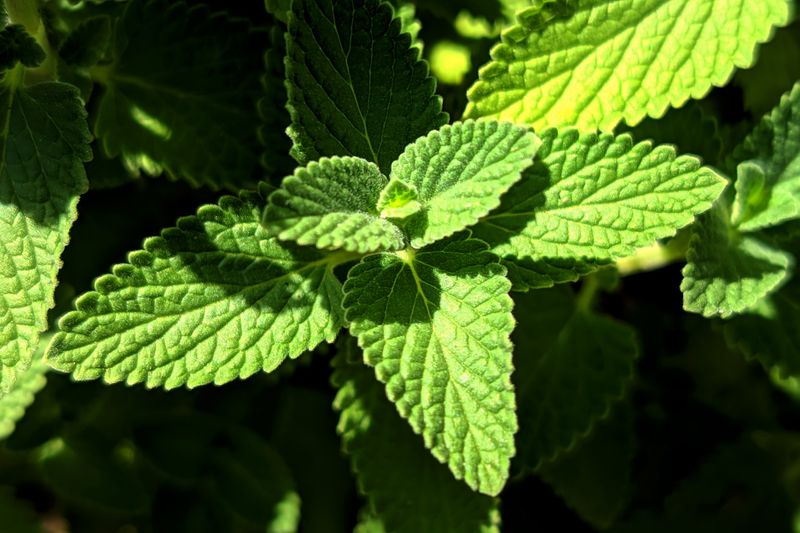
Lemon balm (Melissa officinalis) is a fragrant perennial herb native to Europe and western Asia. It has been cultivated for more than 2,000 years and belongs to the mint family alongside peppermint, spearmint, oregano, basil, and sage.
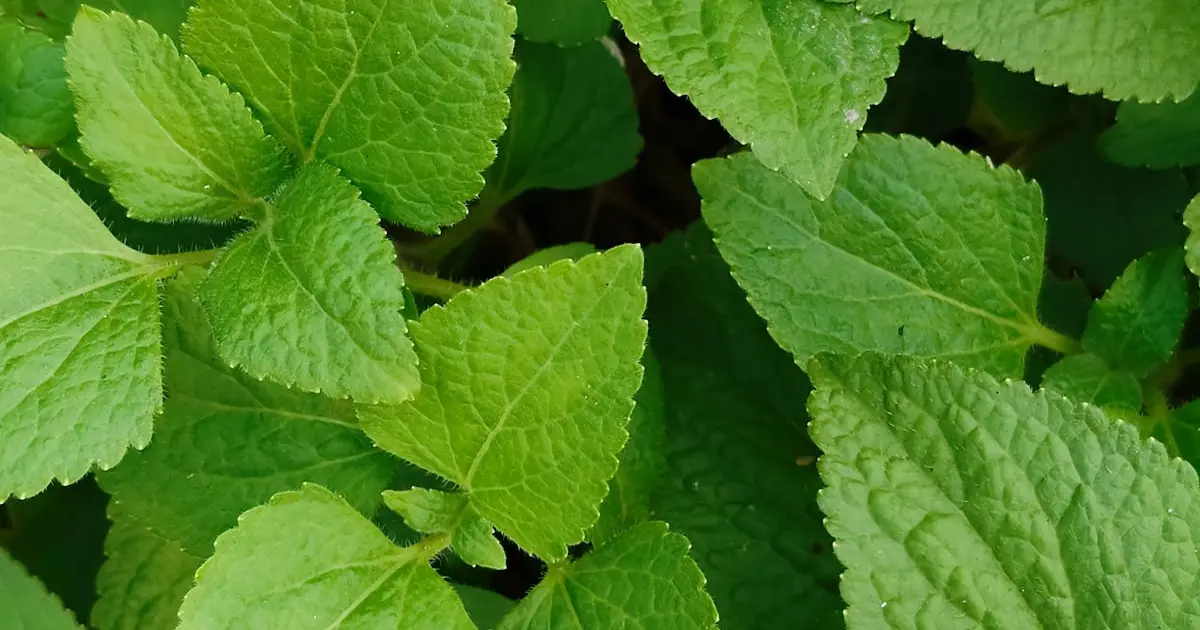
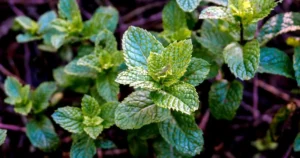
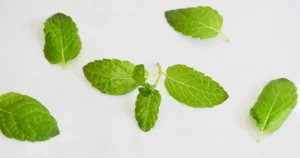
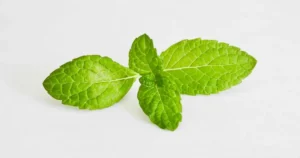
The plant produces soft green leaves with a pleasant lemon fragrance released when they are gently rubbed.
Today, lemon balm is commonly used in:
- herbal teas,
- fresh salads,
- desserts,
- infused water,
- homemade syrups,
- herbal blends,
- and traditional herbal preparations.
Fresh leaves are especially prized because they contain the highest amount of volatile essential oils responsible for their characteristic aroma.
What Is Lemongrass?
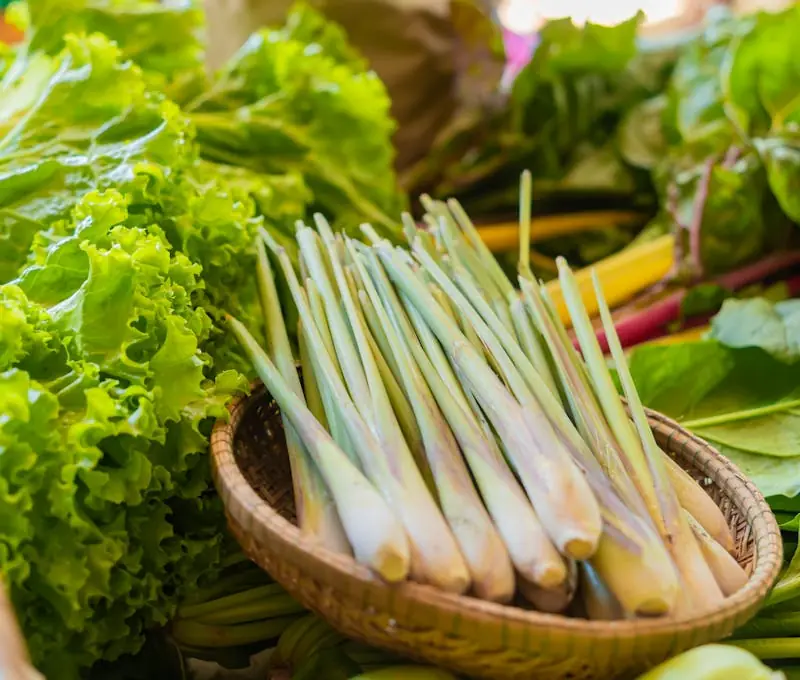
Lemongrass (Cymbopogon citratus) is a tropical grass native to South and Southeast Asia.
Unlike lemon balm, it forms tall clumps of long, narrow leaves that resemble ornamental grasses.
The edible part is mainly the thick, pale lower stalk.
Lemongrass is one of the signature ingredients in many Asian dishes, including:
- Thai curries,
- Vietnamese soups,
- stir-fries,
- seafood dishes,
- marinades,
- and herbal teas.
Its fresh citrus flavor comes primarily from citral, one of the dominant compounds in its essential oil.
Are Lemon Balm and Lemongrass Related?
No.
This is one of the most common misconceptions.
Despite their similar names and lemon-like aroma, these plants belong to completely different botanical families.
- Lemon balm belongs to the mint family (Lamiaceae).
- Lemongrass belongs to the grass family (Poaceae).
They evolved separately and share no close botanical relationship.
Their similar scent results from certain aromatic compounds rather than genetic similarity.
If you’ve ever wondered why lemon balm smells like lemon despite not being a citrus plant, read our article:
Is Lemon Balm Related to Lemons? Why It Smells Like Lemon but Isn’t Citrus.
Appearance: How Can You Tell Them Apart?
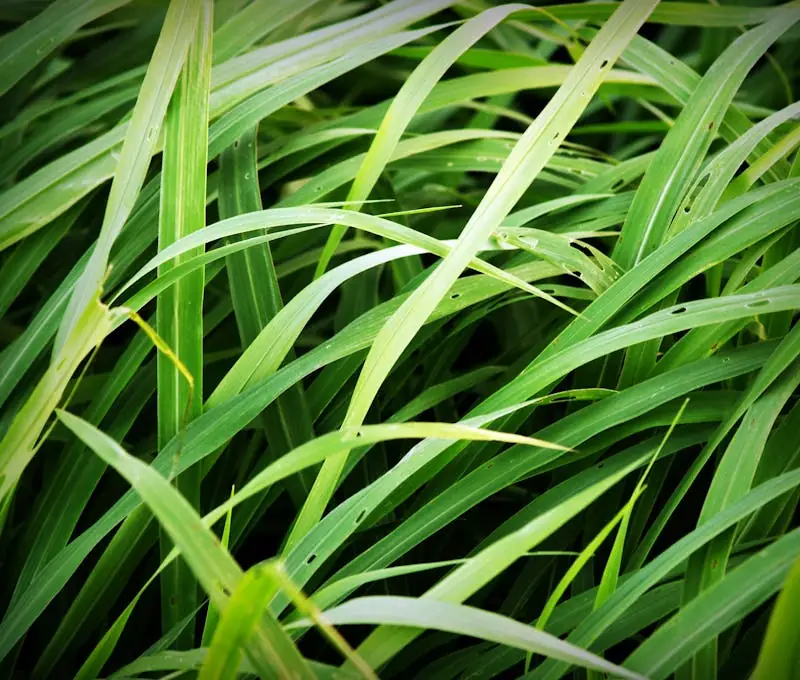
The easiest way to distinguish them is by looking at their leaves.
Lemon balm
- broad, heart-shaped leaves,
- soft texture,
- serrated edges,
- branching stems,
- compact bushy growth.
Lemongrass
- long narrow blades,
- upright growth,
- thick fibrous stalks,
- grass-like appearance,
- forms dense clumps.
Even from a distance, they look completely different.
Lemon Balm vs Lemongrass Taste
Although both herbs have citrus notes, their flavors are surprisingly different.
Lemon balm taste
Lemon balm has a gentle flavor that combines:
- fresh lemon,
- mild mint,
- delicate sweetness,
- soft herbal notes.
It is refreshing without being overpowering.
Because of its subtle taste, it pairs well with fruit, yogurt, salads, desserts, and herbal teas.
If you’d like to explore its flavor in more detail, read:
What Does Lemon Balm Taste Like? Flavor, Aroma, and How to Use It in Cooking.
Lemongrass taste
Lemongrass has a much stronger flavor.
It offers:
- bright citrus notes,
- hints of lemon peel,
- light ginger undertones,
- earthy freshness.
Unlike lemon balm, lemongrass has no mint flavor.
Its bold taste makes it ideal for savory cooking.
Which Herb Has the Stronger Aroma?
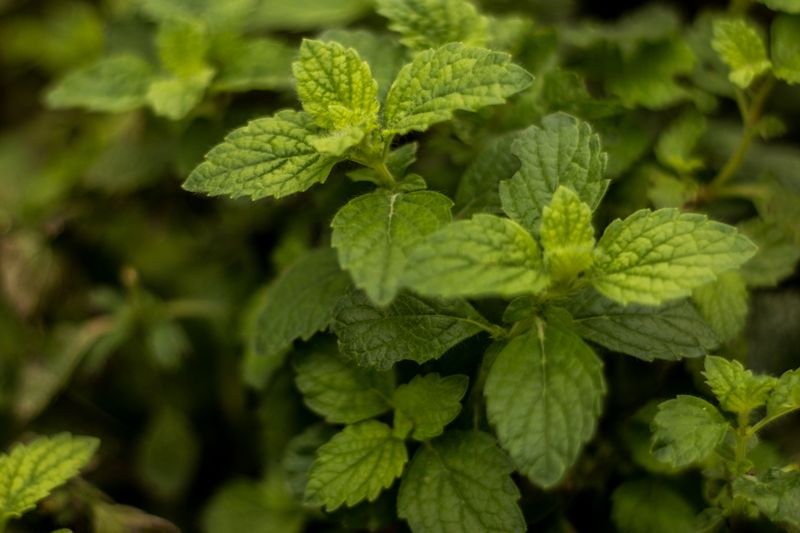
In most cases, lemongrass has the stronger citrus aroma, while lemon balm offers a softer, more delicate fragrance.
Fresh lemon balm is rich in volatile essential oils, but these evaporate relatively quickly after harvesting.
Lemongrass, on the other hand, retains its intense citrus scent remarkably well, especially when the stalks are freshly cut.
For both herbs, freshness makes a significant difference.
Whole dried leaves or stalks generally preserve their aroma much better than finely crushed products.
Active Compounds: Why Do They Smell Similar?
Their similar scent comes from naturally occurring aromatic compounds rather than any close botanical relationship.
Lemon balm contains mainly:
- rosmarinic acid,
- citronellal,
- citral,
- geraniol,
- linalool,
- flavonoids,
- polyphenols.
These compounds contribute to its fresh aroma and many of its traditional herbal uses.
Lemongrass contains mainly:
- citral (geranial and neral),
- myrcene,
- limonene,
- citronellol,
- geraniol,
- flavonoids,
- phenolic compounds.
Citral is especially abundant in lemongrass and largely responsible for its characteristic lemon fragrance.
Lemon Balm vs Lemongrass Health Benefits
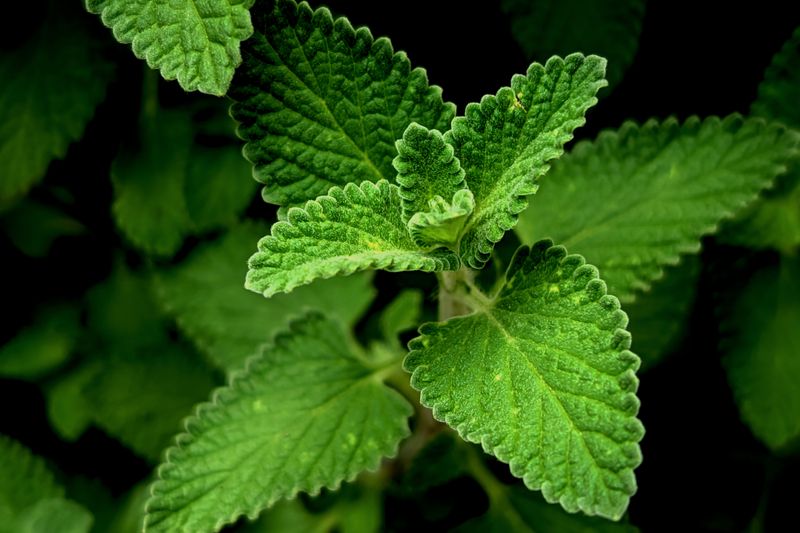
Although both herbs have long histories of traditional use, people usually choose them for different reasons.
Lemon balm
Traditionally used to support:
- relaxation,
- restful sleep,
- occasional stress,
- digestive comfort,
- general wellbeing.
Several studies have investigated its calming properties, particularly those associated with rosmarinic acid and essential oils.
Lemongrass
Traditionally used to support:
- healthy digestion,
- post-meal comfort,
- hydration through herbal tea,
- culinary nutrition,
- antioxidant intake.
Lemongrass is also widely appreciated as a flavorful ingredient rather than solely as an herbal remedy.
Which Herb Is Better for Sleep?
If your main goal is improving relaxation before bedtime, lemon balm is usually the better choice.
Lemon balm has been studied more extensively for its calming effects and is commonly included in herbal sleep blends.
Its mild flavor also makes it pleasant to drink in the evening.
Lemongrass tea may be relaxing simply because it is a warm, caffeine-free beverage, but it is not traditionally regarded as the primary herb for promoting sleep.
If sleep is your focus, you may also enjoy:
- Lemon Balm for Sleep: Benefits, Best Time to Drink It, and Possible Side Effects
- Lemon Balm and Chamomile for Sleep
- Lemon Balm and Valerian for Sleep and Anxiety
- Lemon Balm vs Lemon Verbena for Sleep: Differences, Health Benefits and Taste
Which Herb Is Better for Digestion?
Both herbs have a long tradition of use for digestive comfort, although in different ways.
Lemongrass is commonly consumed after meals in many Asian countries and is often chosen to promote comfortable digestion.
Lemon balm has traditionally been used to soothe occasional digestive discomfort, particularly when it may be linked with stress or nervous tension.
For many people, the better choice depends on the situation:
- after a heavy meal, lemongrass is often preferred,
- in the evening or during stressful periods, lemon balm may be the more suitable option.
Which Herb Contains More Essential Oils?
This question doesn’t have a simple winner.
The answer depends on:
- the plant variety,
- growing conditions,
- harvest time,
- drying method,
- storage.
Fresh lemon balm is especially rich in delicate volatile oils, but because these compounds evaporate easily, careful harvesting and drying are essential to preserve them.
Lemongrass generally contains a higher concentration of essential oil by weight, with citral making up a large proportion of its aromatic profile.
For both herbs, harvesting at the right time has a major influence on quality. If you grow lemon balm yourself, see our guide:
When to Harvest Lemon Balm: Best Time to Pick It for Maximum Flavor and Aroma.
How Are Lemon Balm and Lemongrass Used in Cooking?
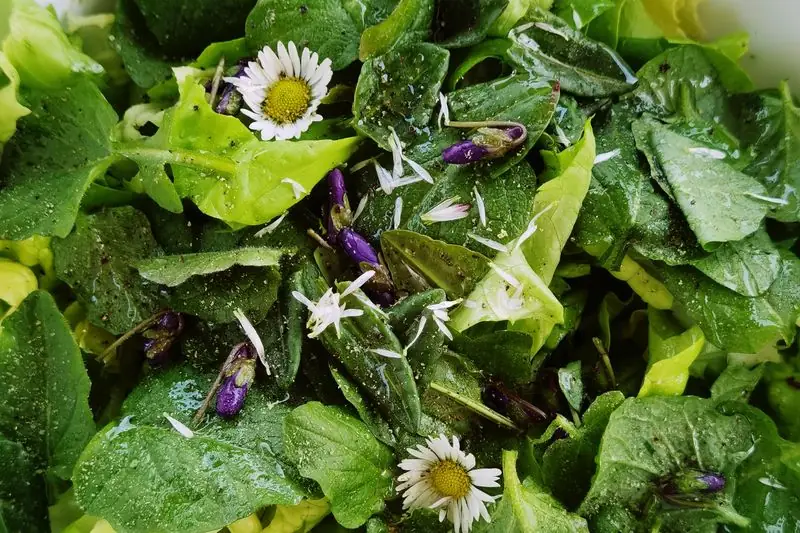
Although both herbs add a fresh citrus note to food, they are used in very different ways.
Lemon balm
Lemon balm has a delicate flavor that is best appreciated fresh. Heating it for a long time causes much of its aroma to disappear because its volatile essential oils evaporate easily.
Fresh lemon balm works particularly well in:
- fruit salads,
- green salads,
- yogurt,
- cottage cheese,
- smoothies,
- lemonade,
- infused water,
- homemade syrups,
- herbal butter,
- pesto,
- desserts,
- cakes,
- ice cream,
- cocktails and mocktails.
It is usually added at the very end of cooking or served raw.
Lemongrass
Lemongrass is much more robust.
Its fibrous stalks are commonly:
- simmered in soups,
- added to curries,
- used in stir-fries,
- infused into sauces,
- cooked with seafood,
- added to chicken dishes,
- brewed into tea.
Unlike lemon balm, lemongrass is designed for cooking. Heat actually helps release its citrus aroma into the dish.
Which Herb Makes Better Tea?
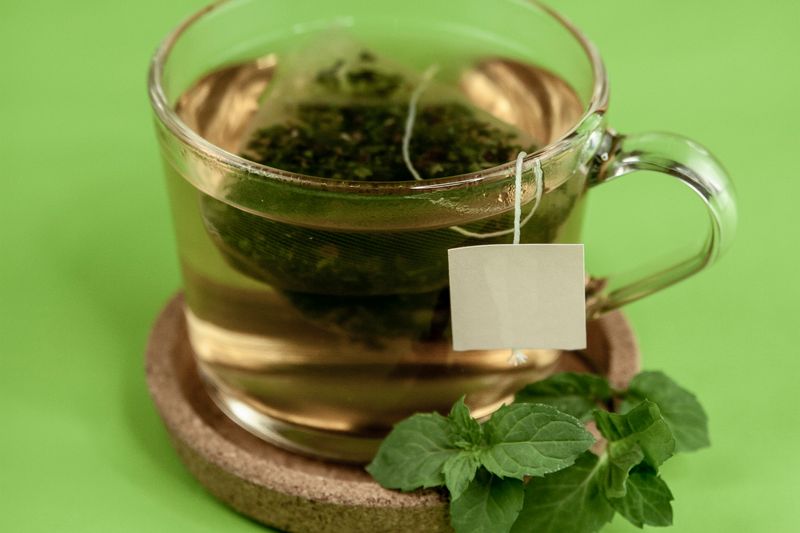
Both herbs make excellent caffeine-free herbal teas, but they create completely different drinking experiences.
Lemon balm tea
Lemon balm tea is:
- mild,
- refreshing,
- slightly sweet,
- gently lemony,
- naturally calming.
Many people enjoy it in the evening because of its relaxing properties.
Lemongrass tea
Lemongrass tea has:
- stronger citrus notes,
- brighter flavor,
- a cleaner finish,
- a slightly earthy character.
It is popular throughout Asia and is often enjoyed after meals.
Neither tea is objectively better—the choice depends on your taste and the occasion.
Can You Mix Lemon Balm and Lemongrass?
Absolutely.
In fact, these herbs complement each other remarkably well.
Lemon balm softens the sharp citrus flavor of lemongrass, while lemongrass adds brightness and freshness.
Many premium herbal tea blends combine both plants.
The result is:
- balanced citrus flavor,
- pleasant aroma,
- refreshing taste,
- naturally caffeine-free drink.
What Is the Best Ratio?
There is no single perfect recipe, but a good starting point is:
2 parts lemon balm : 1 part lemongrass
This keeps the drink smooth while allowing the citrus notes of lemongrass to shine.
For a stronger citrus flavor, use equal parts.
Some people also like adding:
- chamomile,
- peppermint,
- lemon verbena,
- lavender,
- rose petals.
Fresh vs Dried: Which Is Better?
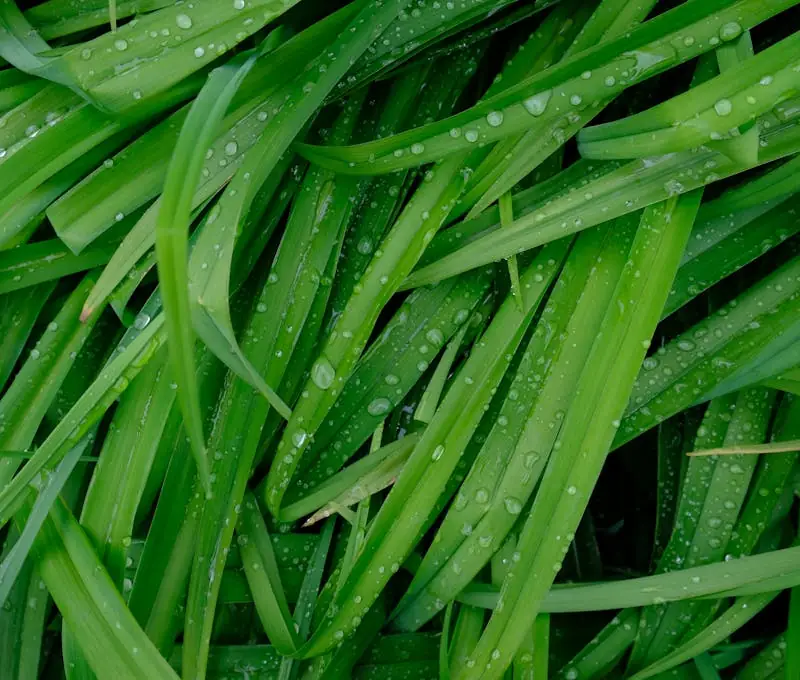
Fresh herbs usually provide the richest aroma.
Fresh lemon balm
Fresh leaves contain the highest concentration of delicate volatile essential oils, making them ideal for salads, cold drinks, pesto, desserts, and recipes where they are not exposed to prolonged heat.
If possible, harvest lemon balm just before flowering, when its aroma is often at its peak.
Dried lemon balm
Properly dried lemon balm is still excellent for herbal tea.
However, quality varies greatly.
Choose products made from whole or coarsely cut leaves rather than finely crushed material. Whole leaves protect essential oils much better during storage, while heavily fragmented herbs lose aroma more quickly as the increased surface area allows volatile compounds to escape.
Our complete comparison explains this in detail:
Fresh vs Dried Lemon Balm: Differences in Aroma, Benefits, and Uses.
Fresh lemongrass
Fresh stalks provide:
- brighter citrus flavor,
- juicier texture,
- stronger aroma.
Most chefs prefer fresh lemongrass whenever possible.
Dried lemongrass
Dried lemongrass is convenient for tea and spice blends, although its aroma is usually less vibrant than fresh stalks.
Which Herb Is Easier to Grow?
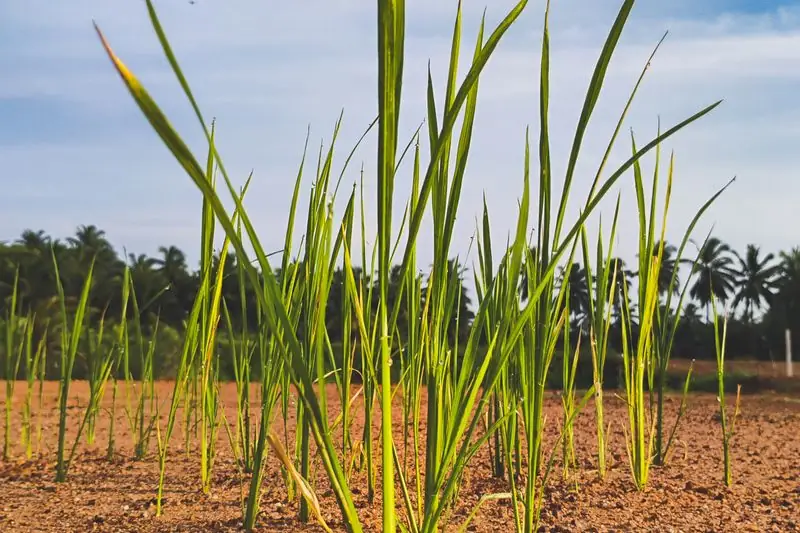
For most home gardeners, lemon balm is much easier to grow.
Lemon balm
Advantages:
- perennial,
- winter hardy in many climates,
- grows well in pots,
- tolerates partial shade,
- easy from seed,
- grows back quickly after harvesting.
One established plant can provide fresh leaves for years.
Lemongrass
Lemongrass prefers:
- warm temperatures,
- full sun,
- long growing seasons,
- protection from frost.
In cooler climates it is often grown in containers so it can be brought indoors before winter.
Which Herb Is Better for Keeping Mosquitoes Away?
This is another common question.
Both plants produce aromatic compounds that insects dislike.
However, lemongrass is generally considered the more effective choice, largely because it contains high levels of citral and is closely associated with citronella-type fragrances commonly used in insect repellents.
Lemon balm also contains citronellal and other aromatic compounds, and many gardeners notice fewer insects around freshly crushed leaves, but it is usually less potent than lemongrass for this purpose.
Neither plant should be considered a replacement for approved mosquito repellents in areas where insect-borne diseases are a concern.
Which Herb Should You Choose?
The answer depends on your goal.
Choose lemon balm if you want:
- a relaxing evening tea,
- a mild herbal flavor,
- fresh leaves for salads,
- an easy-to-grow perennial,
- a herb commonly used to support relaxation.
Choose lemongrass if you want:
- authentic Asian cooking,
- bold citrus flavor,
- aromatic soups and curries,
- refreshing post-meal tea,
- a stronger lemon fragrance.
Many gardeners grow both because they complement one another beautifully.
Are Lemon Balm and Lemongrass Safe?
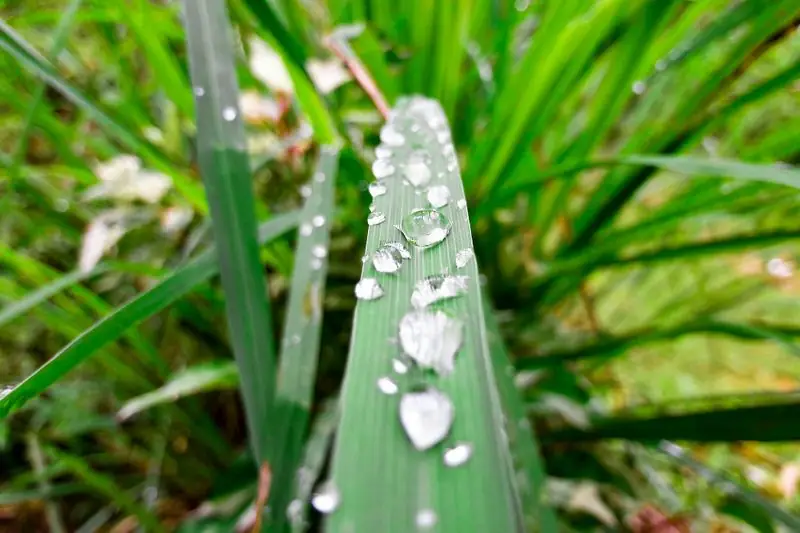
For most healthy adults, both herbs are generally considered safe when consumed in typical food amounts.
Herbal teas are also generally well tolerated.
However, some people should exercise caution.
Possible considerations include:
- allergies,
- pregnancy and breastfeeding,
- thyroid disorders (particularly with concentrated lemon balm preparations),
- medications with sedative effects,
- diabetes medications,
- blood pressure medications.
If you have a chronic medical condition or take prescription medicines regularly, consult your healthcare provider before using concentrated herbal supplements or extracts.
Can Children Drink Lemon Balm or Lemongrass Tea?
Small amounts of weak herbal tea may be appropriate for some older children, but recommendations vary depending on age, health status, and local pediatric guidance.
For infants and toddlers, parents should always seek advice from a pediatric healthcare professional before introducing herbal teas.
You may also find these guides helpful:
- Can Babies Drink Lemon Balm Tea? Safety, Age, and What Parents Should Know
- Is Lemon Balm Safe for Kids? Benefits, Dosage, and Side Effects
Frequently Asked Questions
Is lemon balm the same as lemongrass?
No. Lemon balm and lemongrass are completely different plants from different botanical families. They only share a similar lemon-like aroma.
Which tastes more like lemon?
Lemongrass has a much stronger citrus flavor, while lemon balm is milder and has subtle minty notes.
Which is better for sleep?
Lemon balm is generally the better choice if your goal is relaxation before bedtime.
Can you mix lemon balm and lemongrass?
Yes. They complement each other very well and are commonly found together in herbal tea blends.
Which herb is better for cooking?
For savory dishes such as curries, soups, and stir-fries, lemongrass is usually preferred.
For desserts, fruit salads, drinks, and herbal teas, lemon balm is often the better choice.
Which herb is easier to grow?
Lemon balm is generally much easier to grow in temperate climates because it is a hardy perennial that tolerates cooler weather.
Which contains more essential oils?
Lemongrass generally contains a higher percentage of essential oil, while fresh lemon balm contains delicate volatile oils that contribute to its characteristic aroma but are more easily lost during drying and storage.
You may also be interested in our articles which includes comparisons:
- Comparison of Lemon Balm and Lemon Verbena, Benefits and Taste.
- Combination of Lemon Balm and Valerian Root and Its Calming Effect
- Lemon Balm vs Lemongrass: Differences in Aroma, Health Benefits and Wchich is Better for You?
- Lemon Balm vs Mint: Health Benefits, Taste, Leaves, and Differences
Readers Also Enjoyed
Final Thoughts
Although lemon balm and lemongrass share a refreshing lemon scent, they serve different purposes in the kitchen and in traditional herbal use. Lemon balm stands out for its gentle flavor, ease of cultivation, and long history as a calming herb, while lemongrass is prized for its bold citrus taste and versatility in savory cooking.
Rather than choosing one over the other, many gardeners and home cooks enjoy growing both. Fresh lemon balm is perfect for teas, salads, and desserts, while lemongrass brings vibrant citrus character to soups, curries, marinades, and refreshing herbal infusions. Together, they offer the best of both worlds.
Sources
- European Medicines Agency (EMA). Melissa officinalis Herbal Monograph.
- National Center for Complementary and Integrative Health (NCCIH).
- Royal Botanic Gardens, Kew – Plants of the World Online.
- Missouri Botanical Garden Plant Finder.
- Royal Horticultural Society (RHS).
- PubMed – studies on Melissa officinalis and Cymbopogon citratus phytochemistry and traditional uses.
- Molecules (special issues on medicinal and aromatic plants).
- Journal of Essential Oil Research.
- Industrial Crops and Products.
Pingback: Lemon Balm Benefits, Uses, Side Effects, and Bioactive Compounds
Pingback: Lemon Balm for Sleep: Benefits, Best Time to Drink It, and Possible Side Effects
Pingback: Lemon Balm and Valerian for Sleep and Anxiety: Benefits, Dosage, and Side Effects
Pingback: Lemon Balm vs Lemon Verbena for Sleep: Differences, Benefits and Taste