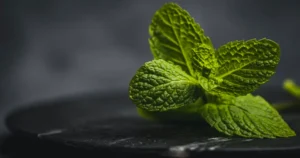
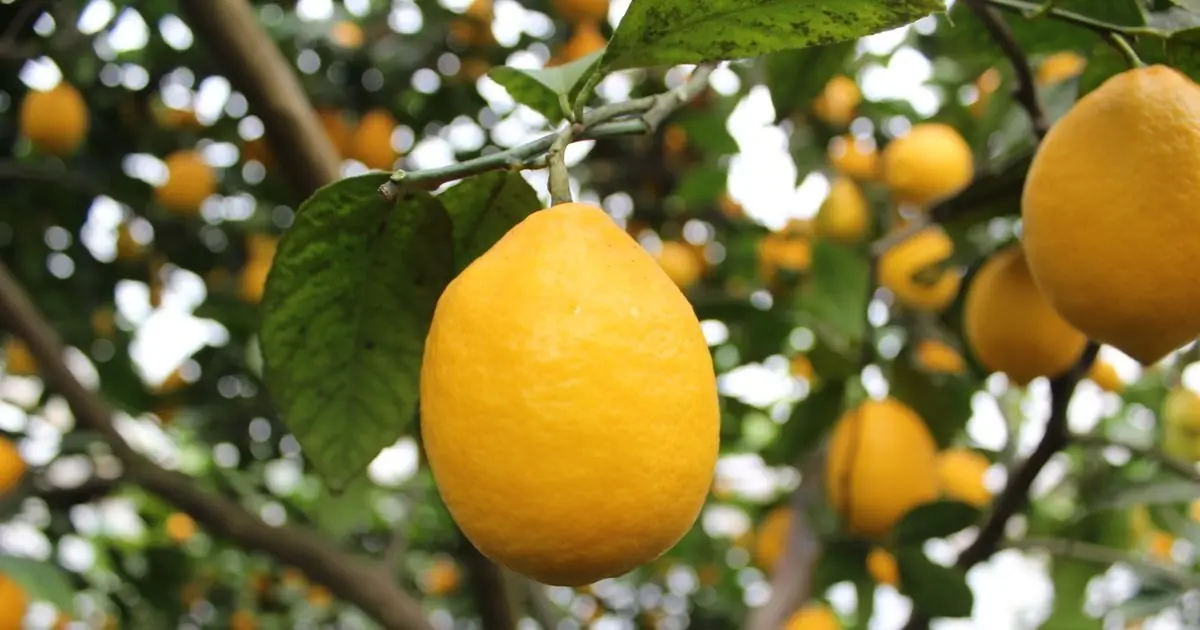
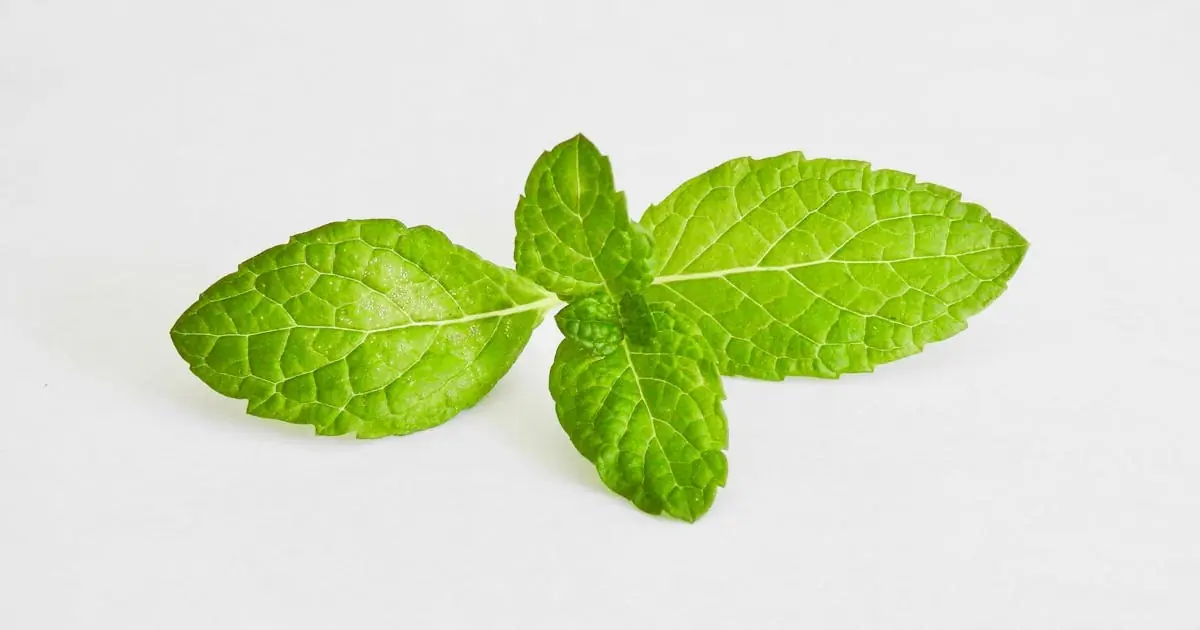
No, lemon balm is not related to lemons. Despite its name and refreshing citrus scent, lemon balm (Melissa officinalis) is a member of the mint family (Lamiaceae), while lemons belong to the citrus family (Rutaceae). Lemon balm smells like lemon because it naturally contains aromatic compounds found in many citrus-scented plants—not because it contains lemons or comes from a lemon tree.
This confusion is extremely common. Many people assume lemon balm is a type of citrus plant or even a hybrid of lemon and mint. In reality, it is a completely different herb that has been cultivated for centuries for its pleasant aroma, culinary uses, and traditional health benefits.
If you’d like to learn more about the plant itself, including its bioactive compounds and traditional uses, read our complete guide: Lemon Balm (Melissa officinalis): Health Benefits, Uses, and Bioactive Compounds.
Is Lemon Balm Related to Lemons?
No.
Lemon balm and lemons belong to completely different botanical families.
| Lemon Balm | Lemon |
|---|---|
| Melissa officinalis | Citrus limon |
| Mint family (Lamiaceae) | Citrus family (Rutaceae) |
| Herb | Fruit tree |
| Soft green leaves | Evergreen tree producing fruit |
| Grown for its leaves | Grown for its fruit |
The only thing they truly share is a pleasant lemon-like aroma.
Why Is It Called Lemon Balm?
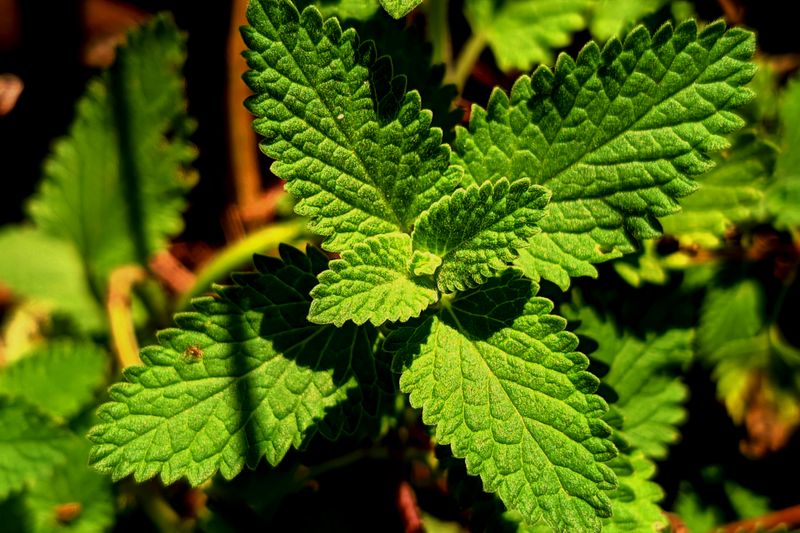
The name comes from two characteristics.
“Lemon” refers to the fresh citrus scent released when the leaves are rubbed.
“Balm” comes from the Greek word melissa, meaning honey bee. Lemon balm has long been known for attracting bees with its fragrant flowers and was traditionally planted near beehives.
The scientific name, Melissa officinalis, reflects this history:
- Melissa = honey bee
- Officinalis = a plant traditionally used in herbal medicine
Is Lemon Balm a Citrus Plant?
No.
Although lemon balm smells like citrus, it is not considered a citrus plant.
Unlike lemons, oranges, or limes, lemon balm:
- does not produce citrus fruit,
- has no thorns,
- grows as a leafy perennial herb,
- belongs to an entirely different plant family.
This is why gardeners grow lemon balm much like mint, oregano, or basil rather than like citrus trees.
Why Does Lemon Balm Smell Like Lemon?
This is where chemistry becomes interesting.
Lemon balm produces aromatic essential oils containing compounds responsible for its characteristic fragrance.
These include:
- citronellal,
- citral,
- geraniol,
- linalool,
- and small amounts of limonene.
These same or similar compounds also occur in many citrus-scented plants, which explains why lemon balm reminds people of fresh lemon peel.
The highest concentration of these volatile oils is usually found in fresh leaves, which is why freshly harvested lemon balm has a noticeably stronger aroma than older or poorly stored dried herbs.
Does Lemon Balm Contain Lemon Juice or Citric Acid?
No.
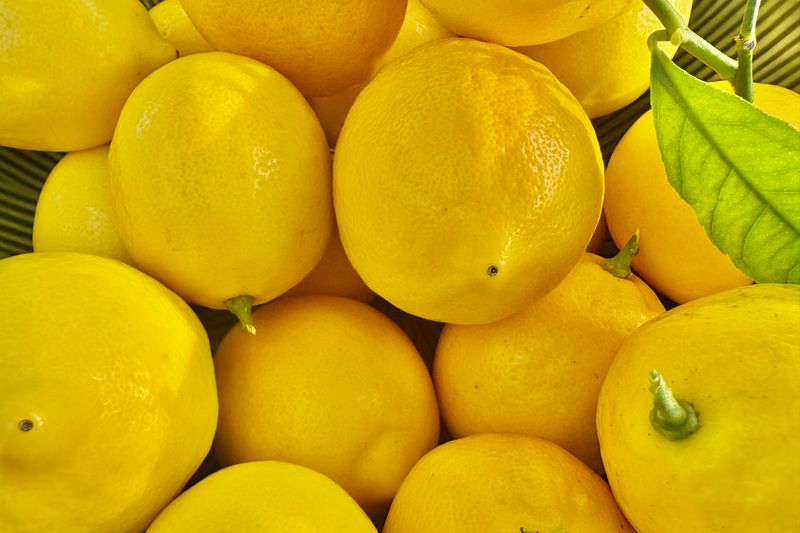
Lemon balm does not contain lemon juice.
It is also not naturally rich in citric acid like lemons.
This explains an important difference:
- lemons taste sour because they contain large amounts of citric acid,
- lemon balm tastes mild because its flavor comes primarily from aromatic oils rather than acidity.
If you’re expecting the sharp tang of lemon juice, you’ll probably be surprised by how gentle lemon balm tastes.
Does Lemon Balm Taste Like Lemon?
Not exactly.
Lemon balm has:
- delicate lemon notes,
- mild minty undertones,
- subtle sweetness,
- and a fresh herbal finish.
Its flavor is much softer than actual lemon.
Many people describe it as refreshing rather than acidic.
For a complete guide to its flavor, read:
What Does Lemon Balm Taste Like? Flavor, Aroma, and How to Use It in Cooking.
Lemon Balm vs Lemon Tree
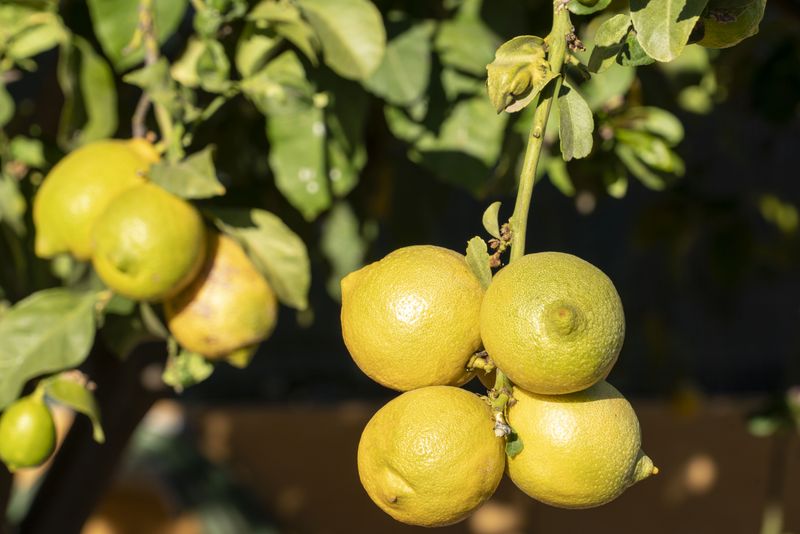
Although their names sound similar, these plants are very different.
| Feature | Lemon Balm | Lemon Tree |
|---|---|---|
| Plant type | Herb | Fruit tree |
| Family | Lamiaceae | Rutaceae |
| Height | Usually 30–90 cm | Several meters |
| Main use | Leaves | Fruit |
| Winter hardiness | Very hardy in many climates | Sensitive to frost |
| Easy to grow indoors | Yes | More challenging |
A lemon tree produces fruit, while lemon balm is grown almost entirely for its aromatic leaves.
Can You Use Lemon Balm Instead of Lemon?
Sometimes—but not always.
Lemon balm can provide a fresh citrus aroma in recipes, but it cannot replace the acidity of lemon juice.
It works well as a substitute in:
- herbal teas,
- fruit salads,
- infused water,
- desserts,
- yogurt,
- homemade lemonade,
- herb butter.
It does not replace lemon juice in recipes where acidity is important, such as:
- baking,
- preserving,
- salad dressings,
- or marinades.
Think of lemon balm as adding the fragrance of lemon rather than its sour taste.
Is Lemon Balm Good With Lemon?

Absolutely.
Fresh lemon balm pairs beautifully with real lemon.
Together they are commonly used in:
- herbal teas,
- lemonade,
- sparkling water,
- fruit salads,
- cakes,
- sorbets,
- and summer desserts.
The lemon juice provides brightness and acidity, while lemon balm contributes a fresh herbal aroma.
Why Gardeners Love Lemon Balm Even Though It Isn’t Citrus
One reason lemon balm has remained popular for centuries is that it is much easier to grow than a lemon tree.
Lemon balm:
- tolerates cold winters,
- grows quickly,
- thrives in pots and gardens,
- attracts bees and pollinators,
- produces abundant leaves,
- can be harvested repeatedly throughout the season.
In many climates, a single healthy plant can provide fresh leaves for months.
If you’re interested in growing your own, see our guide:
How to Grow Lemon Balm: From Seed to Harvest (Indoors, Pots, and Garden).
Does Fresh Lemon Balm Smell Stronger Than Dried?
Yes.
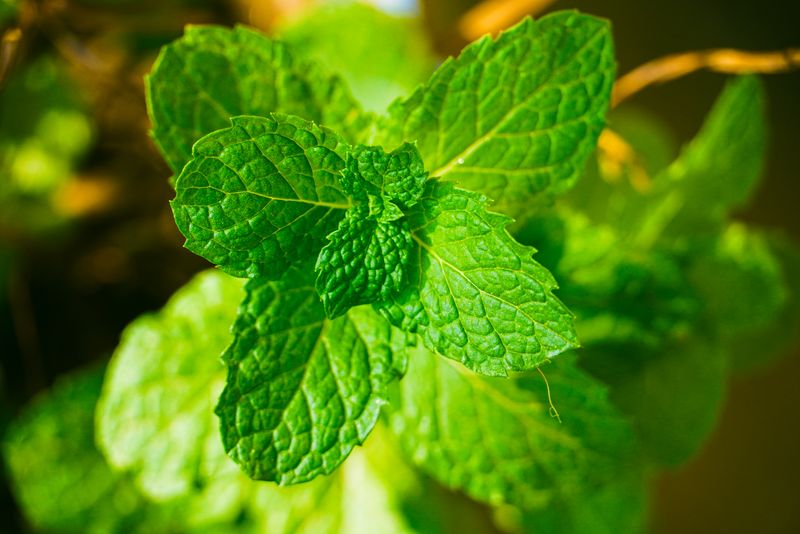
Fresh lemon balm generally has the richest aroma because it contains the highest concentration of volatile essential oils.
During drying, some of these delicate compounds naturally evaporate, especially if the leaves are:
- crushed,
- exposed to heat,
- or stored for long periods.
For the best culinary flavor, fresh leaves are usually the preferred choice.
If you use dried lemon balm, choose products made from whole leaves rather than finely powdered material.
Learn more here:
Fresh vs Dried Lemon Balm: Differences in Aroma, Benefits, and Uses.
Common Myths About Lemon Balm
Myth: Lemon balm is a type of lemon.
False.
It is an herb in the mint family.
Myth: Lemon balm contains lemon juice.
False.
Its lemon flavor comes from aromatic oils.
Myth: Lemon balm and lemongrass are the same plant.
False.
They are completely different species.
Read our comparison:
Lemon Balm vs Lemongrass: Differences, Benefits, Taste, and Uses.
Myth: Lemon balm can replace lemons in every recipe.
False.
It provides aroma but not acidity.
Readers Also Enjoyed
Frequently Asked Questions
Is lemon balm related to lemons?
No. Lemon balm belongs to the mint family, while lemons belong to the citrus family.
Is lemon balm a citrus plant?
No. It is an herb, not a citrus plant.
Why does lemon balm smell like lemon?
Because it naturally contains aromatic compounds such as citronellal, citral, geraniol, and limonene.
Does lemon balm contain lemon?
No. Lemon balm contains no lemon juice or pieces of lemon.
Does lemon balm taste like lemon?
It has a mild lemon-like flavor, but it is much less sour and has subtle minty notes.
Can you use lemon balm instead of lemon juice?
Only in recipes where lemon aroma is desired. It cannot replace the acidity of lemon juice.
Why is it called lemon balm?
It is named for its lemon-like fragrance and its historical association with bees and herbal medicine.
Sources
- European Medicines Agency (EMA). Melissa officinalis Herbal Monograph.
- National Center for Complementary and Integrative Health (NCCIH).
- Royal Horticultural Society (RHS).
- Missouri Botanical Garden.
- PubMed Scientific Database.
- USDA PLANTS Database.
- Molecules.
- Journal of Ethnopharmacology.
- Herbal Medicine: Biomolecular and Clinical Aspects.