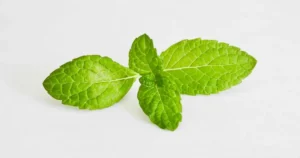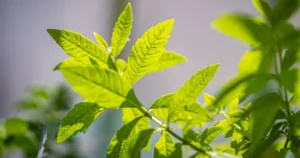
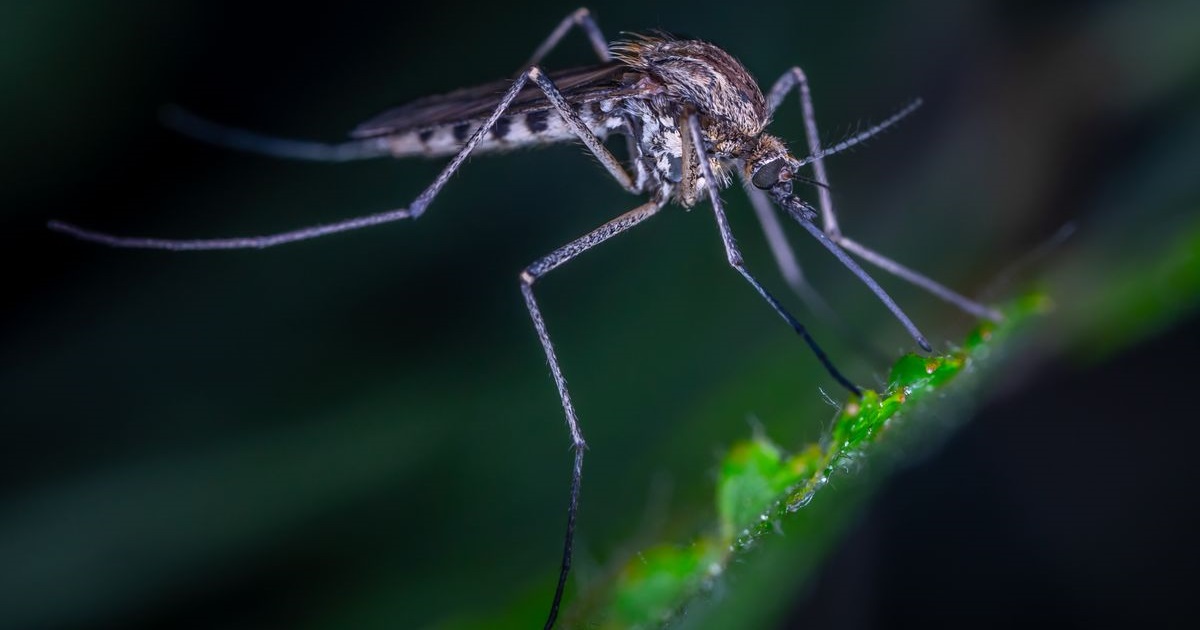
Yes, lemon balm has shown mosquito-repellent activity in laboratory studies, particularly its essential oil. However, simply growing lemon balm in your garden is unlikely to provide reliable protection from mosquito bites.
Lemon balm (Melissa officinalis) contains volatile compounds that give the plant its characteristic lemon-like aroma. Some of these compounds can affect mosquito behavior, but the effect depends greatly on how the lemon balm is used.
Fresh leaves, a growing plant, and concentrated essential oil are not equivalent. Research on lemon balm oil therefore cannot automatically be used as proof that a lemon balm plant will keep mosquitoes away from your patio.
If you would like a complete overview of lemon balm, including its bioactive compounds, traditional uses, and health benefits, read our pillar guide: Lemon Balm (Melissa officinalis): Health Benefits, Uses, and Bioactive Compounds.
Does Lemon Balm Deter Mosquitoes?
Lemon balm is often described as a natural mosquito repellent because of its strong citrus-like scent. There is some scientific basis for this idea, but it is easy to overstate what the research actually shows.
A mosquito repellent is intended to reduce mosquito contact with a person or prevent mosquitoes from landing and biting. Saying that mosquitoes are “deterred” by a plant is broader. It may simply mean that certain compounds are unattractive to mosquitoes under particular conditions.
Lemon balm contains volatile compounds such as citral and citronellal, although the exact composition of its essential oil varies between plants and growing conditions.
That chemistry helps explain why lemon balm has been studied as a potential mosquito repellent. The strongest evidence, however, comes from concentrated oil rather than from the whole living plant.
What Makes Lemon Balm Unpleasant to Mosquitoes?
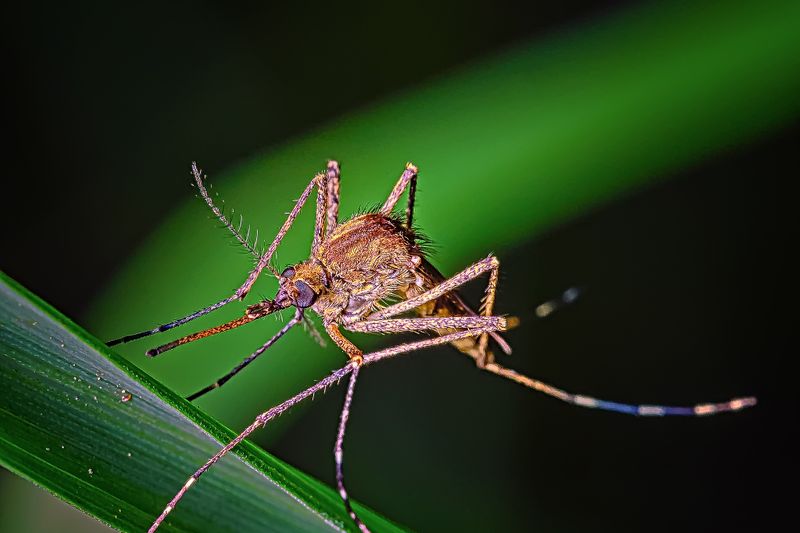
The lemon scent of lemon balm comes from volatile compounds in its leaves and essential oil.
Research has found compounds including citral, citronellal, geranial, neral and other aromatic substances in Melissa officinalis. Their proportions can vary considerably depending on the plant, location, cultivation conditions and other factors.
This matters because mosquito-repellent activity depends on the compounds that are actually present and their concentration.
A lemon balm plant can smell quite strong when you crush a leaf between your fingers. That does not mean the surrounding air contains enough of those compounds to provide meaningful protection from mosquitoes.
Do Fresh Lemon Balm Leaves Repel Mosquitoes?
Fresh lemon balm leaves contain volatile oils, and damaging the leaves releases more of those compounds. This is why a crushed leaf has a much stronger aroma than an intact one.
But fresh leaves are very different from essential oil.
Essential oil is a concentrated preparation obtained from plant material. A fresh leaf contains the same types of compounds in a much less concentrated form, and only some are released into the air.
There is therefore a reasonable basis for saying that fresh lemon balm leaves can release compounds that mosquitoes may find unattractive. There is not enough evidence to treat a few fresh leaves as a reliable mosquito repellent.
Dried leaves contain even fewer oils than fresh ones. You can read more in our article about the Differences Between Fresh and Dried Lemon Balm and Their Uses.
Can you rub fresh lemon balm leaves on your skin?
It is tempting to use crushed leaves as a natural alternative to commercial mosquito repellents. However, this has not been established as a reliable way to prevent mosquito bites.
If avoiding mosquito bites is important, particularly in an area where mosquitoes can transmit disease, use a proven repellent rather than relying on fresh lemon balm leaves.
Does the Smell of Lemon Balm Keep Mosquitoes Away?
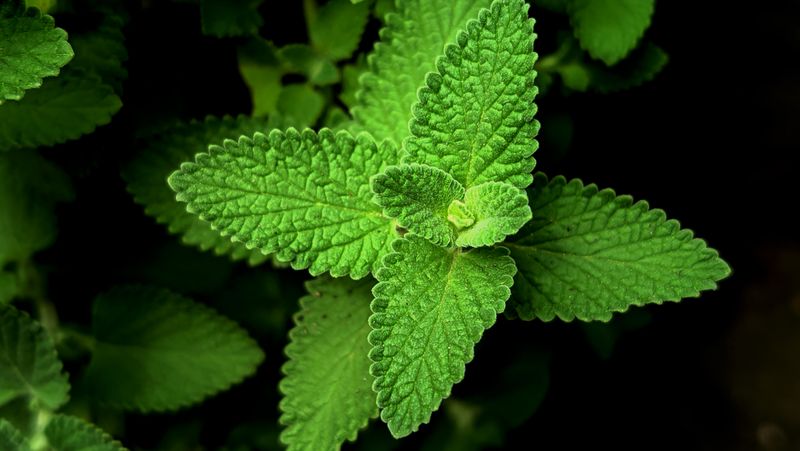
The smell may play a role, but “mosquitoes hate the smell of lemon balm” is too strong a conclusion.
Mosquitoes respond to a range of chemical signals when looking for a host. Some plant-derived volatile compounds can interfere with those cues, which is one reason essential oils are being studied as potential repellents.
The problem is concentration.
A lemon balm plant releases small amounts of volatile compounds into the air. Wind disperses them, while temperature and plant condition affect how quickly they are released and lost.
So the fact that you can clearly smell lemon balm does not mean that mosquitoes are receiving a concentration strong enough to keep them away.
Does Lemon Balm Essential Oil Repel Mosquitoes?
This is where the evidence is more convincing.
Several laboratory studies have found mosquito-repellent activity from Melissa officinalis essential oil.
One study by Oshaghi and colleagues tested lemon balm essential oil and extracts against Anopheles stephensi, a mosquito species that can transmit malaria. In tests on human hands, 1% lemon balm essential oil produced about 60% mean repellency, compared with about 80.5% for DEET under the same experimental conditions.
The researchers also found that the essential oil performed better than a lemon balm extract.
A later study that screened 60 essential oils against Aedes albopictus found moderate repellency from Melissa oil. At the tested dose of 10 μg/cm² for 30 minutes, Melissa oil produced a repelling rate of about 33%. Citronella oil produced about 29% in the same experiment.
These results are interesting, but they are laboratory results. They do not tell us how long lemon balm oil would protect someone outdoors or whether an ordinary lemon balm plant would produce the same effect.
What do these studies actually show?
They provide evidence that lemon balm essential oil can affect mosquito behavior.
They do not establish that:
- a lemon balm plant will keep mosquitoes out of a garden,
- fresh leaves provide reliable protection,
- every lemon balm essential oil works equally well,
- lemon balm oil provides protection for a specific number of hours, or
- lemon balm is more effective than established mosquito repellents.
Those questions require different testing.
What Do Studies Say About Lemon Balm and Anopheles Mosquitoes?
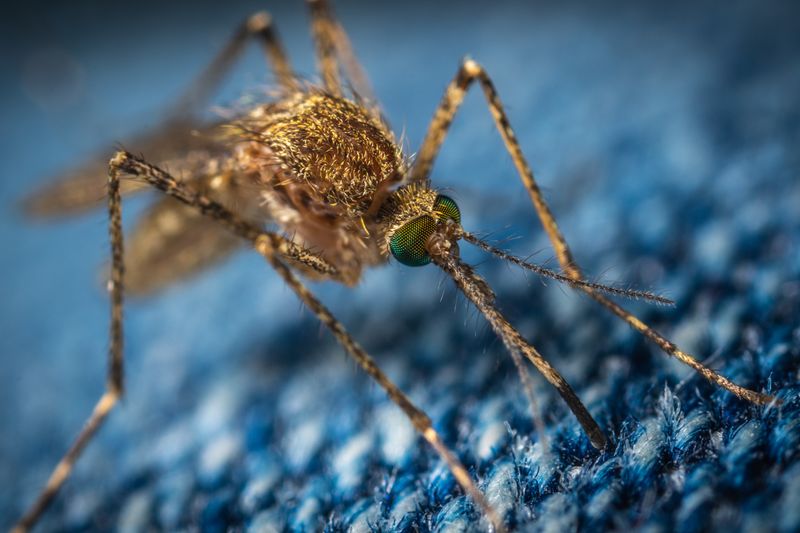
The Oshaghi study is useful because it compared lemon balm preparations with DEET rather than simply observing whether mosquitoes reacted to the plant.
In tests involving guinea pigs, 1% lemon balm oil produced approximately 92.7% repellency, compared with 97% for DEET. On human hands, the mean repellency was lower, at approximately 60%, compared with 80.5% for DEET.
The difference between the animal and human results is a good reminder that experimental conditions matter.
Another study published in 2016 investigated the chemical composition and mosquito-related activity of lemon balm essential oil against Anopheles stephensi. The researchers identified numerous compounds in the oil and found activity from several tested constituents.
Citronellal was particularly interesting in that experiment, showing strong activity at the concentrations tested.
Taken together, these studies support further research into lemon balm oil as a botanical mosquito repellent. They do not show that growing lemon balm provides the same level of protection.
Does Growing Lemon Balm in Your Garden Keep Mosquitoes Away?
This is probably the question most gardeners have.
There is not enough evidence to say that simply growing lemon balm in your garden will reliably keep mosquitoes away.
A laboratory experiment can apply a known amount of essential oil to a defined area. A living plant works very differently.
The leaves release small amounts of volatile compounds into the surrounding air. Wind quickly disperses them, and the concentration changes with temperature, plant condition and distance from the plant.
A lemon balm plant several feet away from a patio chair is therefore not comparable to concentrated essential oil applied to a test surface.
Crushing or bruising the leaves can temporarily increase the aroma, but that still does not turn the plant into a dependable mosquito barrier.
Lemon balm can be a useful and attractive herb to grow near a seating area, but I would not plant it specifically expecting it to prevent mosquito bites.
Lemon Balm vs. Citronella vs. Lemon Eucalyptus
Lemon balm, citronella and lemon eucalyptus are often mentioned together because they have strong citrus-like aromas. They are different plants, however, and the evidence behind their use against mosquitoes is not the same.
| Plant or ingredient | Main point | Evidence for mosquito repellency |
|---|---|---|
| Lemon balm (Melissa officinalis) | Aromatic herb containing compounds such as citral and citronellal | Laboratory evidence, particularly for essential oil |
| Citronella | Oil mainly obtained from Cymbopogon species | Well-established repellent activity |
| Lemon eucalyptus | Associated with Corymbia citriodora and OLE/PMD | Stronger evidence when used in formulated repellents |
Citronella has been investigated extensively as a botanical mosquito repellent. Its volatile compounds can repel mosquitoes, although the protection can be relatively short-lived.
Lemon eucalyptus is different again. Oil of lemon eucalyptus (OLE) and products containing para-menthane-diol (PMD) have a stronger evidence base as mosquito repellents.
The CDC lists OLE/PMD among active ingredients used in effective mosquito repellents. It is important not to confuse these products with simply growing a lemon-scented plant or using an untested essential oil.
Can You Use Lemon Balm as a Natural Mosquito Repellent?
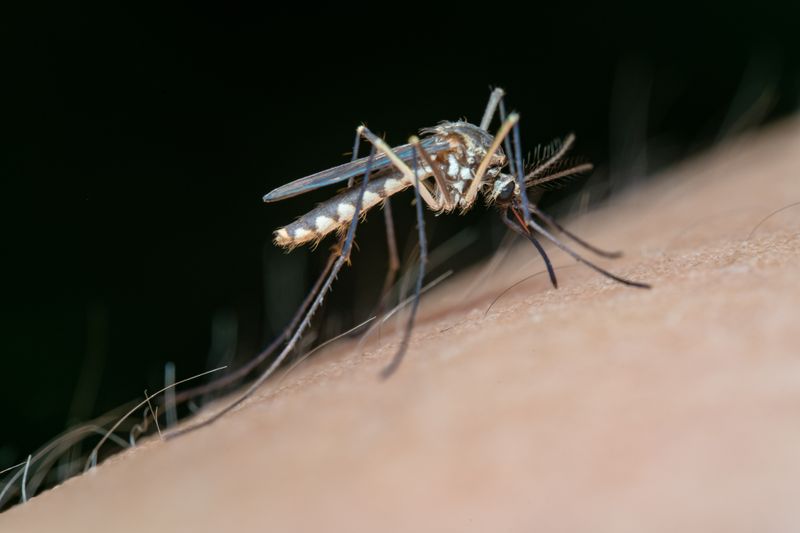
Lemon balm is an interesting source of mosquito-repellent compounds, especially in the form of essential oil. The evidence for the living plant and fresh leaves is much weaker.
If you enjoy lemon balm for its fragrance, tea or culinary uses, growing it in the garden makes sense. Just don’t depend on it as your main mosquito protection.
For reliable protection, the CDC recommends using proven insect repellents with active ingredients such as DEET, picaridin, IR3535, oil of lemon eucalyptus or PMD, according to the product directions.
Other simple measures can also help, including removing standing water, using window screens and covering exposed skin when mosquitoes are active.
Does Lemon Balm Repel Mosquitoes? The Bottom Line
Lemon balm can repel mosquitoes under some laboratory conditions, particularly when its essential oil is used. But growing lemon balm in your garden is not the same as using a tested mosquito repellent.
Fresh leaves release aromatic compounds when crushed, but there is not enough evidence to say that they provide dependable protection.
The easiest way to look at the evidence is:
- Lemon balm essential oil: has demonstrated mosquito-repellent activity in laboratory studies.
- Fresh leaves: release volatile compounds, but reliable protection has not been established.
- The plant in a garden: should not be relied on to prevent mosquito bites.
- Citronella: has a longer history of use and research as a botanical repellent.
- Lemon eucalyptus/OLE/PMD: has stronger evidence when used in appropriate repellent formulations.
So, grow lemon balm because it is a useful, aromatic herb — not because you expect a few plants to create a mosquito-free garden.
Readers Also Enjoyed
Frequently Asked Questions
Does lemon balm repel mosquitoes?
Lemon balm essential oil has shown mosquito-repellent activity in laboratory studies. There is less evidence that the living plant provides meaningful protection.
Does lemon balm deter mosquitoes?
It may. Some volatile compounds found in lemon balm can affect mosquito behavior, but the effect of the whole plant outdoors is uncertain.
Do mosquitoes hate the smell of lemon balm?
That is too strong a claim. Some compounds in lemon balm may be unattractive to mosquitoes, but the plant’s smell alone has not been shown to provide reliable protection.
Do fresh lemon balm leaves repel mosquitoes?
Fresh leaves release aromatic compounds, especially when crushed, but they have not been established as a dependable personal mosquito repellent.
Does lemon balm essential oil repel mosquitoes?
Yes. Laboratory studies have found repellency from lemon balm essential oil against mosquito species including Anopheles stephensi and Aedes albopictus. Results vary with concentration and test conditions.
Does planting lemon balm keep mosquitoes away?
There is not enough evidence to say that planting lemon balm will reliably keep mosquitoes away from a garden or patio.
Sources
- Oshaghi MA, Ghalandari R, Vatandoost H, et al. Repellent Effect of Extracts and Essential Oils of Citrus limon (Rutaceae) and Melissa officinalis (Labiatae) Against Main Malaria Vector, Anopheles stephensi (Diptera: Culicidae). Iranian Journal of Public Health. 2003;32(4):47–52.
- Study of the Repellent Activity of 60 Essential Oils and Their Main Constituents against Aedes albopictus, and Nano-Formulation Development. Insects. 2022;13(12):1077.
- Chemical composition and laboratory investigation of Melissa officinalis essential oil against human malarial vector mosquito, Anopheles stephensi L. 2016.
- Variability in the content and composition of essential oil from lemon balm (Melissa officinalis L.) cultivated in Poland. PubMed.
- Centers for Disease Control and Prevention. Mosquitoes, Ticks, and Other Arthropods.